By Dan Spalding
News Now Warsaw
Editor’s Note: The following is the result of an email conversation with Superior Court 1 Judge Karin McGrath after the latest Indiana prison inmate from Kosciusko County graduated from the county’s reentry program.
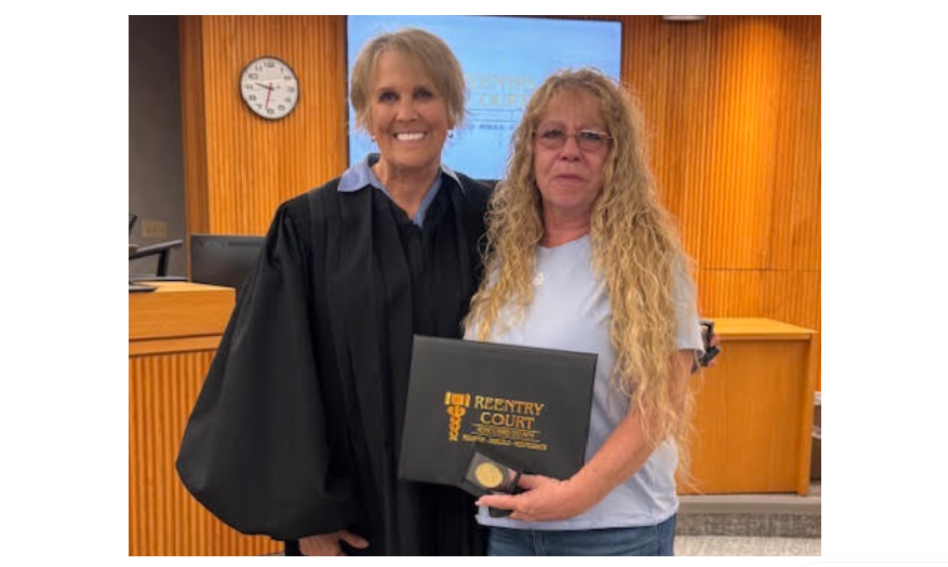
McGrath started the program in early 2025. Mary Howard celebrated her graduation from the program last week.
The following are Judge McGrath’s answers to questions posed by News Now Warsaw. Very minor edits were made.
* * *
Please recap what the program does.
The Reentry Court serves adults who are currently incarcerated and preparing to reintegrate into our community, and who are assessed as moderate- and high-risk, as well as high-need, using validated risk assessment tools such as the Indiana Risk Assessment System. Upon release from incarceration, Reentry Court provides structure, accountability, and resources to participants with the goal of reducing recidivism and fostering relapse prevention goals.
The Program is certified by the Indiana Supreme Court Office of Court Services, and subscribes to data-driven best practices of problem-solving courts. The program serves individuals whose criminal history is substantially linked to substance use disorder, particularly opioid addiction, as well as any co-occurring mental health diagnoses, and who demonstrate both the need for intensive support and the willingness to engage in the program.
What was your favorite aspect about today’s graduate?
My favorite thing about Mary is her enthusiastic willingness to change her life. She has been so intentional during her Reentry Court participation, and has shared her process with great insight and honesty. She has openly shared her struggles along the way but has not wavered from her commitment to change. She literally lights up the room with her newfound peace and joy.
Are you seeing any consistent themes with these graduates?
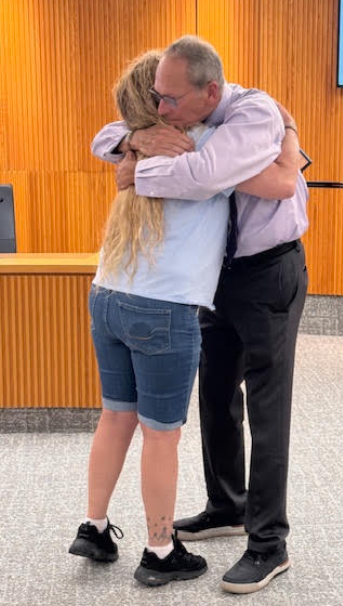
One consistent theme I see with graduates is the enormous gratitude they have for the opportunity to learn new life skills, the opportunity to receive the treatment they so desperately need, and the chance to prove to themselves, their family, and the community that they can change. They recognize our community has more resources for those struggling with addiction than ever before, and they are grateful for that. I consistently see graduates acknowledge how good it feels to be able to look at themselves in the mirror and actually LIKE who they see, and how amazing it is to feel proud of what they’ve accomplished.
I also consistently see them place a high value on the work they’ve done rebuilding family relationships and gaining productive and lawful employment. A number of graduates have commented on the unexpected but amazing feeling of walking or driving down the road and not having a care in the world when a police car pulls up—they aren’t afraid of them, because they aren’t doing anything wrong. In fact, several have commented they welcome interactions with law enforcement now.
What kind of success rate are you seeing with the graduates?
If you’re inquiring about recidivism, we have not had a single graduate charged with a new criminal offense. Beyond that simple statistic, our team is most proud of their success exemplified by fact that our graduates are employed, they pay their child support if ordered, and many of them give back to the community in multiple ways, from continuing involvement with recovery programs, donating time to speak at recovery events, lending assistance to others, and even a graduate who is now a full-time Peer Recovery Coach.
How common is this kind of court program?
Problem-solving courts are incredibly common across the state. When I looked at the directory of certified programs today, there are 141 listed, including 51 Adult Drug Courts and 11 Reentry Courts. Other types include Veterans Court, Mental Health Court, OWI Court, and Family Recovery Court.
How long is the program?
Participants are generally in the program from 9-12 months, though the program itself is greatly focused on an individualized approach to each person. Some people spend more time than others in a particular phase of the program as they work to address their unique needs.
Is there strong interest to participate?
There is a tremendous interest in the program, and it is not at all uncommon for us to receive multiple applications each week, both from people in our own jail as well as those at various IDOC locations. There are obvious limits to the number of participants we can take because of personnel and resource limitations, but we consider each and every application thoughtfully.
Any changes to the program in the future?
There are no major changes planned at this time, but we are always looking for ways to improve. In fact, many of us just returned from an intensive problem-solving court conference in Tennessee, along with over 7,000 other people from across the country also working in problem-solving courts. We are always learning new things about the recovery process and always considering new data on best practices as well.