
By Dan Spading
News Now Warsaw
WARSAW — K-CODE and LITE Recovery Hub, along with other groups focused on supporting people suffering from life’s biggest challenges, are teaming up for a community workshop called “Breaking Down the Walls of Stigma.”
The meeting will include a documentary, a panel discussion, and outreach with various groups. It will be from 5:30 p.m to 7 p.m. at the Zimmer Biomet Center Lake Pavilion in Warsaw.
The event is open to everyone, and Tammy Cotton, founder and executive of LITE Recovery Hub, said she thinks many people could benefit from the meeting.
“Even if it’s not affecting you within your own sphere of influence, you will come across someone who is unhoused or someone who is struggling with mental health somewhere and some way, and so why not learn and educate yourself on the resources that are out in our community,” Cotton said.
Participating groups include Warsaw CARES Unit, Allendale Treatment Center, Fort Wayne Recovery, Serenity House, and Fellowship Missions.
Law enforcement will also have a role in the meeting.
K-CODE, formally known as Kosciusko Coalition on Drug Education, seeks to investigate problems associated with drug, alcohol and other addictive behaviors in the county and meets monthly with a large group working to reduce substance abuse.
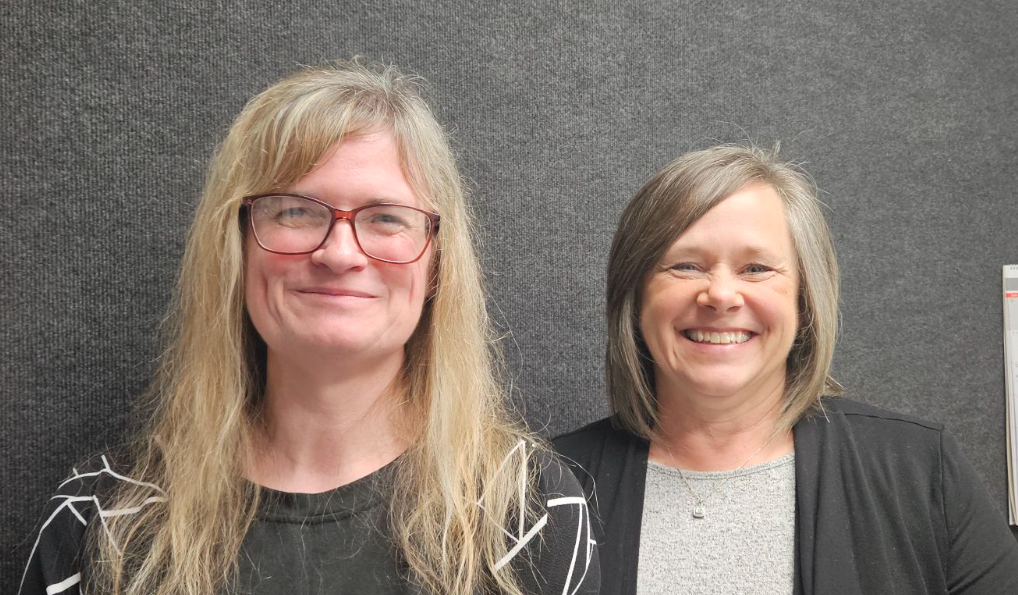
The upcoming meeting was the idea of K-CODE Coordinator Heidi Blake and Cotton.
Cotton and Blake agree that while some progress has been made in addressing substance abuse and post-incarceration in Kosciusko County theey believe more can still be done.
They think improved collaboration, especially with the police, is important.
They also want people to better understand the circumstances rather than doing nothing.
“We really want to dismantle stigma surrounding those who have experienced incarceration, substance use, even some mental health (issues), and showcase the collaborative work being done in our community,” Cotton said.
“We’re not asking really anybody to do anything. Our call to action is for people to make themselves aware of the challenges people are facing, and maybe not just so much.”
A key part of that collaboration involves interactions with police, since most people’s first instinct when they see someone passed out in public or clearly inebriated is to call law enforcement or do nothing.
Cotton and Blake are both quick to express appreciation for what police face every day, as they often regularly come into contact with people who are regularly in and out of jail on drug or alcohol charges.
But they think some would benefit from a fresh approach that relies more on collaboration with groups who can, in different ways, help those who are struggling rather than just being arrested.
Blake recalled a recent visit to an area park where she encountered a man lying down in the grass with a bottle of liquor and apparently passed out or overdosing. She called the police, who responded, and it became apparent that officers knew the man who was awakened and eventually told to leave the park.
Blake said she thought the situation could have been handled better. She lost track of where he went and was left wondering afterward what happened to the man.
She said she’d like to have seen the man receive some help other than being arrested.
Blake said she then felt guilty for not assisting the man, possibly by calling the Bowen Health Stabilization unit in Piereton or LITE.
“We’re not talking about long-term need. I’m talking about an immediate need – making sure this individual was safe, making sure he wasn’t going to harm himself,” Blake said.